November 15, 2026
Your vehicle’s windshield plays an essential role in maintaining visibility, supporting structural integrity, and protecting occupants from environmental hazards. When chips or cracks develop, professional windshield repairs can help stabilize damaged glass and prevent minor problems from becoming more serious. However, protecting your windshield does not end when the service is completed. Appropriate post-service care helps preserve the results and supports long-term driving safety.
Understanding how environmental conditions, driving habits, and routine maintenance affect repaired glass allows vehicle owners to make informed decisions. By recognizing potential risks and following professional recommendations, drivers can protect their automotive glass and reduce the likelihood of additional damage.
Understanding the Importance of Post-Service Windshield Care
After professional windshield repairs, the treated area requires appropriate care to maintain its condition. Repair specialists typically use specialized resin to fill damaged sections of glass, helping stabilize chips and small cracks. Although this process can improve the windshield’s integrity and appearance, the surrounding glass remains susceptible to environmental stress and physical impacts.
Post-service care helps minimize unnecessary pressure on the treated area while supporting the effectiveness of completed work. Temperature fluctuations, road vibrations, and exposure to debris can influence automotive glass. Understanding these factors allows drivers to make practical decisions that protect their investment.
Vehicle age also highlights the importance of ongoing maintenance. According to Kelley Blue Book, vehicles currently traveling on American roads have an average age approaching 13 years. As vehicles remain operational longer, maintaining components such as windshields becomes increasingly important for preserving visibility, comfort, and overall safety.
Avoiding Extreme Temperature Changes After Service
Sudden temperature changes can create stress within automotive glass, particularly when existing damage has already affected its structure. Although professional windshield repairs are designed to stabilize localized damage, extreme thermal conditions can still influence surrounding areas. Drivers should remain mindful of environmental exposure, especially during periods of intense heat or cold.
For example, a windshield exposed to direct sunlight may become significantly warmer than the surrounding air. Rapid cooling from aggressive air conditioning can create uneven temperature distribution across the glass. Similarly, intense heating during freezing weather may place additional stress on vulnerable sections.
Maintaining Gentle Cleaning Practices After Service
Clean automotive glass contributes to clear visibility and helps drivers recognize potential damage before it becomes extensive. However, cleaning methods can influence windshield condition, particularly when abrasive materials or harsh chemicals are involved. Appropriate maintenance practices help preserve both the glass surface and the appearance of treated areas.
Following windshield repairs, drivers should observe any cleaning restrictions provided by their service professional. Recommendations may vary depending on the repair materials, treatment methods, and condition of the original damage. Although many professional repair resins cure during the service process, specific aftercare instructions should always take priority.
Reducing Exposure to Road Debris After Service
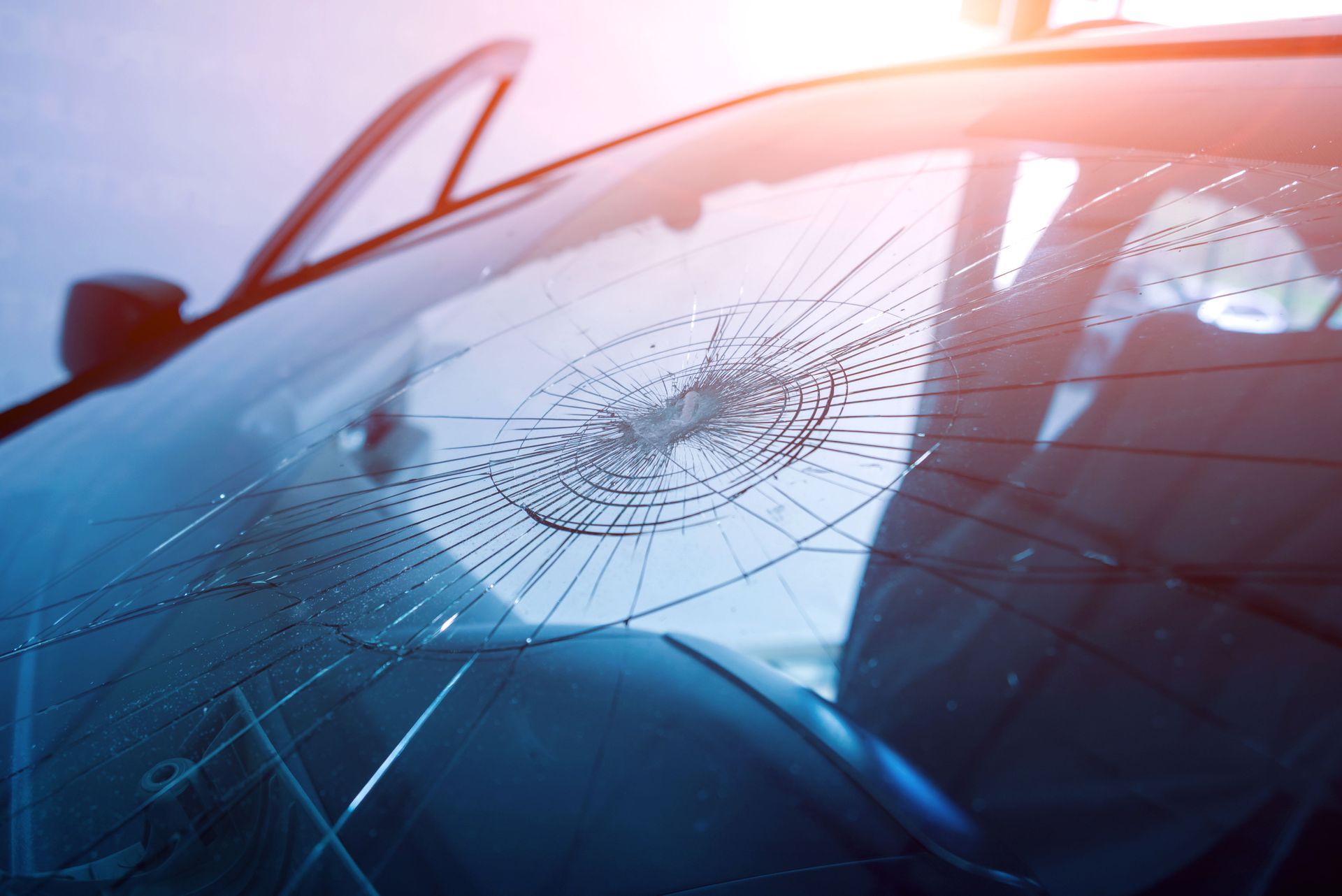
Road debris remains a common source of windshield damage, even after successful restoration. Loose gravel, small stones, and materials displaced by passing vehicles can strike automotive glass unexpectedly. These impacts may create additional chips or cracks, potentially requiring further professional attention.
Drivers can reduce certain risks by maintaining appropriate following distances, particularly when traveling behind construction vehicles or trucks carrying loose materials. Road conditions also deserve consideration because damaged pavement, active construction zones, and gravel-covered surfaces may increase exposure to airborne particles.
Monitoring the Repaired Area for Changes
Regular visual awareness is an important component of post-service windshield maintenance. Although professional windshield repairs can stabilize certain types of damage, the treated area may remain visible after completion. A small mark or cosmetic imperfection does not necessarily indicate that the service was unsuccessful.
Drivers should understand the difference between normal residual appearance and signs of developing damage. Changes in crack length, newly visible fractures, or unusual distortion may indicate that additional evaluation is necessary. These conditions deserve professional attention because continued deterioration can interfere with visibility and potentially affect windshield performance.
Environmental exposure, additional impacts, and structural stress can contribute to changes in damaged glass over time. Rather than assuming every visible mark represents a problem, vehicle owners should rely on professional assessments when concerns arise. Monitoring the windshield allows potential issues to receive attention before becoming more complicated.
Protecting the Windshield From Unnecessary Pressure
Automotive windshields experience various forces during normal vehicle operation. Road vibrations, changes in cabin pressure, and structural movement can place stress on glass surfaces. While properly installed windshields are designed to accommodate everyday driving conditions, unnecessary force may contribute to damage in vulnerable areas.
After windshield repairs, drivers should avoid placing excessive pressure directly against the treated section. Heavy objects resting against the glass, forceful contact, and unnecessary impacts may increase the likelihood of additional damage. These considerations are particularly relevant when the surrounding windshield already contains minor imperfections.
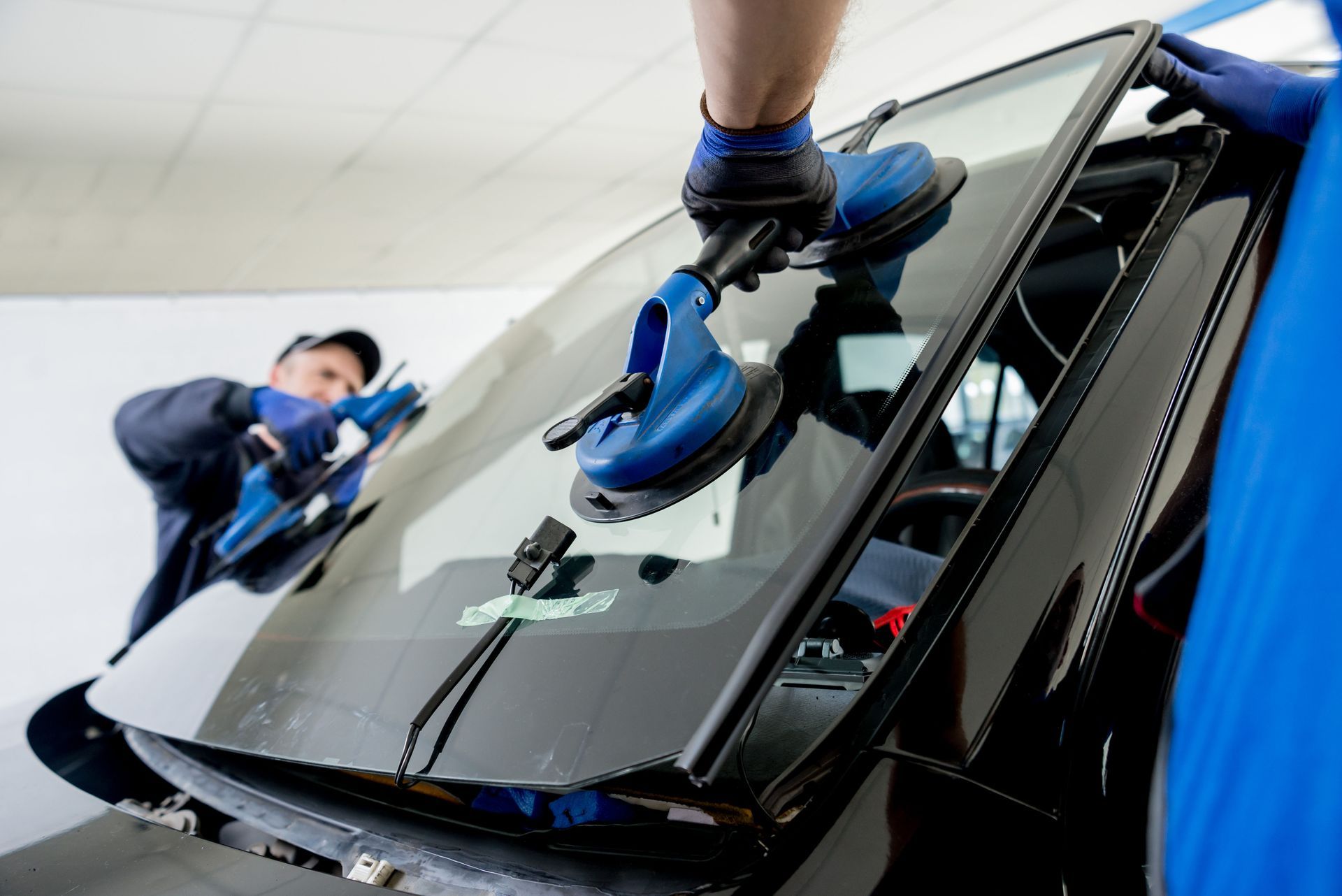
It is also important to distinguish localized glass restoration from complete windshield replacement. Replacement procedures may involve adhesive curing requirements and specific restrictions that do not necessarily apply to chip or crack restoration. Following instructions associated with the actual service performed helps protect the completed work.
Maintaining Windshield Wipers and Surrounding Components
Windshield maintenance involves more than protecting the glass itself. Components that regularly contact the windshield can influence surface condition, visibility, and driving comfort. Wiper blades, cleaning systems, and surrounding seals all contribute to automotive glass performance.
Worn windshield wipers may develop rough edges or accumulate abrasive particles that create streaks and scratches. When blades no longer move smoothly across the glass, they can reduce visibility during rain and challenging weather conditions. Maintaining these components helps limit unnecessary friction against the windshield surface.
Vehicle owners should also remain aware of unusual moisture accumulation, persistent streaking, or changes in windshield cleaning system performance. Although these conditions do not automatically indicate problems with previous glass restoration, they can affect driving visibility. Professional inspection can help determine whether maintenance, component replacement, or additional service is appropriate.
Recognizing When Professional Evaluation Is Necessary
Even with appropriate maintenance, automotive glass may develop new damage because of unexpected impacts or environmental conditions. Recognizing when professional evaluation is necessary can help drivers avoid overlooking issues that affect visibility or safety.
A new crack, expanding fracture, or damaged area near the driver’s primary viewing zone may require prompt attention. Damage close to windshield edges can also raise concerns because these areas experience structural stresses. The location, depth, and characteristics of a defect influence whether restoration remains appropriate or replacement should be considered.
Professional technicians can assess glass condition and recommend suitable solutions based on established repair criteria. Not every chip or crack qualifies for restoration, particularly when damage affects critical viewing areas or compromises structural performance.
Seeking qualified assistance allows drivers to understand their options without attempting potentially unsafe interventions. Continued professional support can also clarify whether a previously treated area remains stable or requires further attention.
Preserving Long-Term Windshield Performance Through Maintenance
Protecting automotive glass requires ongoing attention rather than relying exclusively on completed service appointments. Regular maintenance, responsible driving habits, and awareness of environmental conditions can help preserve windshield performance throughout a vehicle’s service life.
Drivers who prioritize windshield care may recognize developing problems before they interfere with visibility. Maintaining clean glass, functional wipers, and appropriate protection against avoidable impacts supports a safer driving experience.
The long-term effectiveness of windshield repairs also depends on the original damage, repair quality, and subsequent exposure to stress. Although no maintenance approach guarantees protection against future impacts, consistent care can help reduce preventable deterioration and support the surrounding glass.
Protecting Your Windshield With Professional Support
Proper post-service care plays an important role in maintaining automotive glass after professional restoration. Avoiding unnecessary temperature stress, minimizing road debris exposure, maintaining surrounding components, and recognizing signs of additional damage can help protect windshield condition.
Combining responsible maintenance habits with qualified professional assistance allows vehicle owners to make informed decisions about automotive glass. Addressing concerns promptly and following service-specific recommendations can support lasting visibility, dependable performance, and continued driving confidence.
For professional automotive glass assistance, contact Pro Glass today. We provide windshield repairs and guidance to help protect your vehicle’s glass. Our team can evaluate your concerns, explain available service options, and recommend appropriate maintenance considerations. Contact us to learn how we can assist with your automotive glass needs.